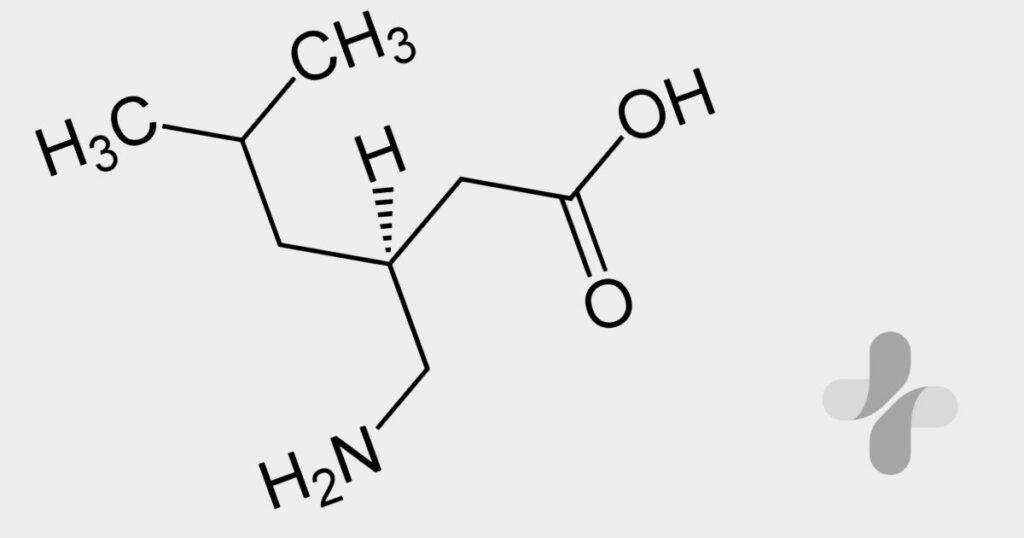
How Long Does Pregabalin Stay in Your System? Detection Times Explained
Introduction
Pregabalin is commonly prescribed for nerve pain, anxiety disorders and partial seizures, and while many people focus on its therapeutic effects, fewer understand how long the medication stays in the body. Even after its noticeable effects begin to fade, Pregabalin remains detectable for a period of time depending on the test used and individual health factors. Understanding its clearance timeline is important for safe use, avoiding interactions and preparing for any medical or workplace testing.
Understanding Pregabalin’s Half-Life
Pregabalin has a relatively short half-life of around six hours. This means it takes approximately this amount of time for half of the medication to leave the body. Compared to many other nerve pain treatments, Pregabalin clears more quickly, which is why it is usually taken two to three times a day. Although its half-life is short, regular dosing results in steady levels in the bloodstream, helping maintain consistent symptom control.
Detection Times in the Body
How long Pregabalin is detectable depends on the type of test performed. In urine, it can typically be identified for up to five days after the last dose. Blood tests may detect it for up to two days, while saliva tests show a shorter detection window, generally under twenty-four hours. Hair tests retain a record much longer, often up to ninety days, even though the medication is no longer active in the body. These detection windows vary, but they demonstrate that traces of Pregabalin remain even after its effects have worn off.
Why Pregabalin Stays in Your System
Pregabalin is eliminated primarily through the kidneys rather than the liver, which means kidney function plays a major role in how quickly the drug leaves the system. Individuals with reduced kidney function may take significantly longer to eliminate Pregabalin, leading to extended detection times and stronger or prolonged effects. Although Pregabalin is water-soluble and not stored in fat, its clearance still varies depending on individual metabolic efficiency.
Factors That Influence Elimination Time
Several factors affect how long Pregabalin remains in the system. Kidney health is one of the most important influences, as impaired kidney function slows the elimination process considerably. Age also plays a role, with older adults generally clearing the medication more slowly. Dosage amount and frequency of use can extend detection times because higher doses require more time to process. Body weight, hydration levels and overall metabolic rate further contribute to how quickly Pregabalin is cleared.
Duration of Pregabalin’s Effects
Pregabalin’s noticeable effects typically last between six and twelve hours, depending on the dose and the condition being treated. Some individuals may experience drowsiness, dizziness or reduced coordination beyond this period, especially if they have taken a higher dose or if their body processes medications more slowly. When Pregabalin is taken consistently, its effects may feel more stable and continuous, even though each individual dose clears relatively quickly.
Why Knowing Detection Times Matters
Understanding how long Pregabalin stays in the system is important for avoiding interactions with other medications, particularly sedatives, opioids or alcohol, which can intensify side effects. It also helps individuals prepare for drug screenings, especially in workplaces or medical settings, since Pregabalin may still be detectable after its effects have faded. Awareness of detection timelines also supports safe dosing, helping users avoid accidental overuse or unnecessary side effects.
Summary
Pregabalin usually remains detectable in the system for up to five days in urine, although its effects may last only several hours. Kidney health, age, dosage and metabolic rate all play significant roles in determining how long it takes to clear. Understanding these timelines helps individuals use Pregabalin safely, avoid interactions and manage their treatment with confidence.