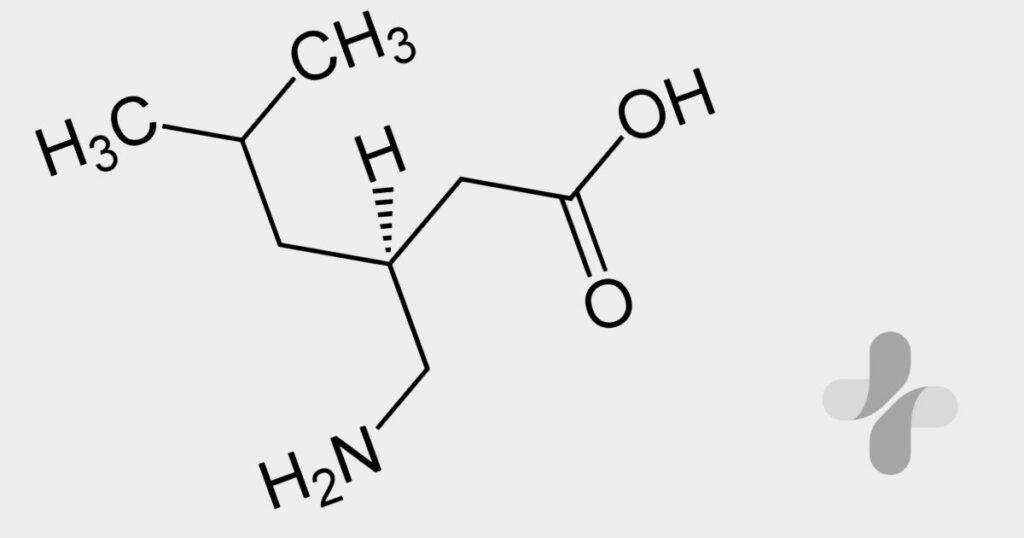
What Is Pregabalin? Uses, Dosage, Side Effects and Safety Explained
Introduction
Pregabalin is a prescription medication widely used to treat nerve pain, certain types of seizures and generalised anxiety disorder. Often recognised by its brand name Lyrica, Pregabalin works by calming overactive nerve signals in the brain and body. It is commonly prescribed for long-term pain conditions such as diabetic neuropathy, fibromyalgia and postherpetic neuralgia. While it can be highly effective, Pregabalin should be taken responsibly and under medical supervision due to its potential side effects and dependence risks.
What Is Pregabalin?
Pregabalin is an anticonvulsant and neuropathic pain medication designed to reduce abnormal electrical activity in the nervous system. It is available in capsules, tablets and liquid form, typically taken one to three times per day. Although originally developed to support epilepsy management, Pregabalin has become widely used for chronic nerve pain and anxiety disorders because of its ability to calm nerve activity. Its versatility makes it a key treatment option for patients experiencing long-term discomfort caused by nerve damage or misfiring neural pathways.
How Pregabalin Works
Pregabalin works by binding to voltage-gated calcium channels in nerve cells. This action reduces the release of neurotransmitters responsible for sending pain and anxiety signals through the nervous system. By dampening these signals, Pregabalin helps decrease nerve sensitivity, reduce pain and stabilise mood. Some individuals notice improvements within a few days, while others may require several weeks to experience the full therapeutic benefits.
Common Uses and Indications
Doctors prescribe Pregabalin for a range of conditions related to nerve dysfunction and anxiety. These include diabetic nerve pain, nerve pain resulting from shingles, nerve-related back pain, fibromyalgia and anxiety disorders. Pregabalin is also used as an add-on treatment for partial seizures in patients with epilepsy. Because it targets overactive nerves, it is particularly effective in chronic conditions where pain originates from nerve irritation or damage rather than inflammation.
Pregabalin Dosage Guide
Pregabalin is manufactured in strengths from 25 mg up to 300 mg. The appropriate dose depends on the condition being treated and how the patient responds. For nerve pain, treatment usually starts at a low dose such as 75 mg per day and may increase gradually. For anxiety, doses are often split across the day to maintain steady relief. Because Pregabalin can cause drowsiness and dizziness, dose adjustments should always be made under the guidance of a healthcare professional.
Possible Side Effects
Common side effects of Pregabalin include dizziness, tiredness, blurred vision, dry mouth, swelling in the extremities and weight gain. These effects may improve as the body adjusts, but users should avoid driving or operating machinery until they understand how the medication affects them. More serious side effects, such as severe swelling, breathing difficulties or allergic reactions, require immediate medical attention. Mood changes or increased anxiety should also be reported to a doctor.
Interactions and Important Warnings
Pregabalin can interact with medications that slow the central nervous system, including opioids, sedatives and alcohol. These combinations increase the risk of excessive drowsiness and breathing problems. Individuals with kidney issues may need a reduced dose, as Pregabalin is processed primarily through the kidneys. Pregnant or breastfeeding individuals should discuss risks with a doctor before taking this medication. Stopping Pregabalin suddenly can lead to withdrawal symptoms, so dose reductions should be gradual and medically supervised.
Dependence and Withdrawal Risks
Although not an opioid, Pregabalin can still lead to dependence, especially when taken long-term or at high doses. Withdrawal symptoms may include sweating, anxiety, headaches, nausea and insomnia. For this reason, doctors recommend tapering down slowly rather than stopping abruptly. Regular reviews with a healthcare professional ensure safe and effective use.
How Long Pregabalin Stays in the System
Pregabalin has a half-life of around six hours and generally clears from the body within two days after stopping use. It may be detectable in urine for up to five days and in hair for up to 90 days. Factors such as dosage, metabolism and kidney function can influence how long it remains in the system.
Summary
Pregabalin is an effective medication for managing nerve pain, anxiety and certain seizure disorders. By reducing abnormal nerve activity, it can help ease long-term pain and improve daily functioning. However, because it carries risks such as drowsiness, dependence and interactions with other medications, it must be taken exactly as prescribed. When monitored properly, Pregabalin offers reliable and meaningful symptom relief for many individuals experiencing chronic nerve-related conditions.